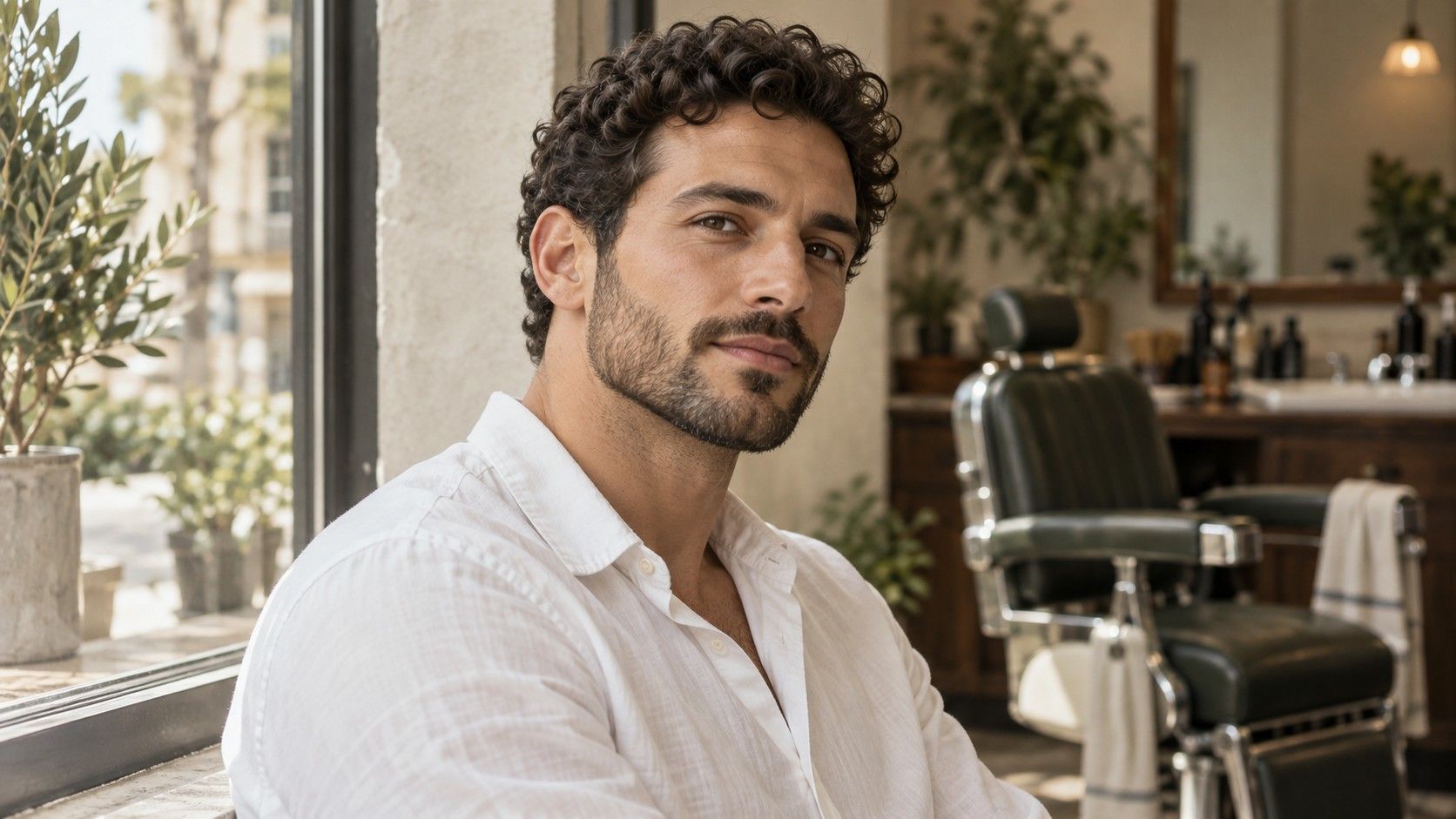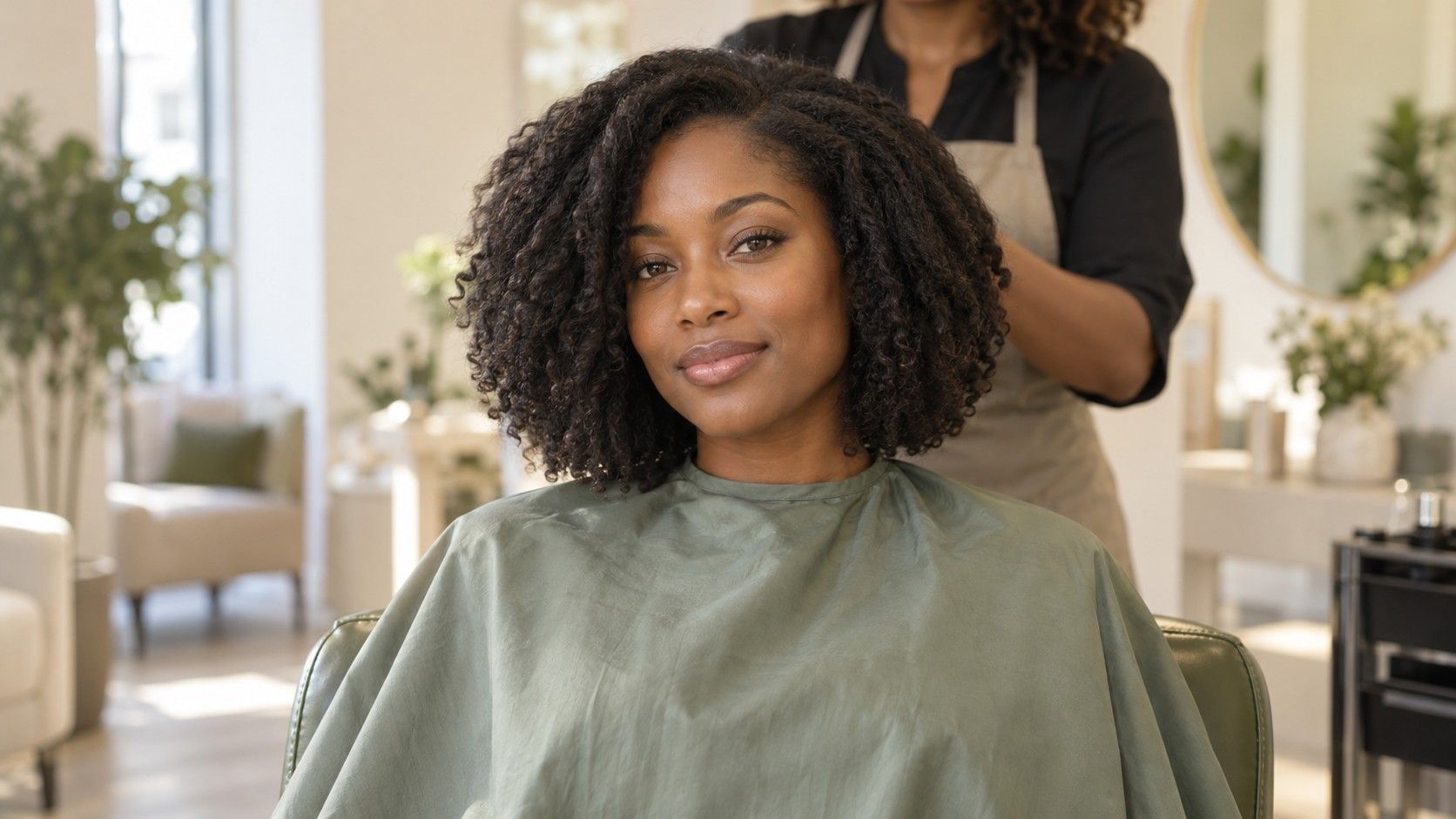
An oval outline leaves room for many haircut shapes, which can make the choice harder rather than easier. A photograph may show the length you like while hiding the blow-dry, extensions or careful positioning behind it. I would give the haircut a practical job first: make the ends feel fuller, move hair away from the eyes, preserve a ponytail or let a wave settle without a fight. Haircuts for an oval face become easier to compare when those everyday requirements lead the conversation.
Decide what you want the cut to change
Before choosing a style name, look at your current hair on an ordinary morning. Where does it bunch up? Which pieces fall into your eyes? Is the problem the outline, the weight against your neck or the amount of time it takes to dry? These observations give a stylist more usable information than asking for something that suits an oval face. A cut can change where hair sits; it cannot make every texture behave like the reference photograph.
Choose one main priority and one boundary. You might want lighter movement while keeping enough length to tie back, or a stronger edge without hair resting against your cheeks. Bring that pair to the consultation. If two wishes conflict, such as maximum fullness at the ends and extensive thinning through the same area, ask to see the compromise before the scissors come out.
The face outline is a small part of the decision. Ear position, how you part your hair, glasses, a collar and the way you tuck strands behind an ear all affect the finished silhouette. There is no need to correct an oval face or chase a prescribed balance. Say which features you enjoy showing and which hair placements simply irritate you. Comfort is a perfectly good reason for changing a cut.
Choose where the length meets your features
Length labels are surprisingly vague. A shoulder cut on one person may sit against the collarbone on another, and a styled curl can lift the ends above the place where they were cut. Indicate the desired stopping point on your own body while sitting upright. Ask how that line will look dry, with your usual part and with the ends moving forward rather than tucked behind your shoulders.
A distinct perimeter creates a visible horizontal line wherever it lands. If you like attention around your jaw, you may enjoy ends near that area; if you prefer hair moving past it, keep the front longer. Neither option is required by an oval face shape. Check the side view too. An outline that looks light from the front can still carry considerable weight at the back of the neck.
For hair that needs to go up, test the shortest pieces rather than the longest. Front sections and the hair near the nape determine whether a ponytail stays together. Tell the stylist whether you need a secure tie for exercise, work or sleeping. Leaving a little extra length can be more useful than accepting a precise reference length and discovering that clips are now part of every day.
Keep enough density where you need it
Fine strands and low density describe different things: strand thickness is not the same as the number of hairs across the head. You can have fine hair with plenty of it, or thicker strands with a more open distribution. This matters when discussing layers. Look at the ends, the sides and the crown separately, since one part may need a solid edge while another feels heavy.
Layers remove or redistribute weight, but more layers do not automatically mean more body. If your ends already look sparse, taking many short sections through the length may make the perimeter less substantial. Ask the stylist to show which area would be shortened and what would remain at the bottom. A modest adjustment around the face can provide movement without changing the whole outline.
Dense hair can feel bulky in a compact shape, especially where the sides collect behind the ears. Before requesting thinning everywhere, identify the actual thick areas and explain how you wear your hair. Weight removal can behave differently when the hair is loose, tied up or left to dry naturally. I would rather discuss those positions first than use the word lightweight as a promise with no shared definition.
Let waves and curls set some of the terms
Bring your hair in a state that reveals its normal pattern when possible. If you usually air-dry it, a fully straightened consultation hides useful information. Explain whether you stretch curls during drying, brush out waves or alternate between textured and smooth styling. The same cut has to travel between those versions, and the shortest acceptable length may differ for each one.
Watch the sections around the temples and nape. A front piece may spring up more than the back, while a loose wave can change direction when it loses weight. Ask how the stylist will account for those differences and whether they will check the dry shape. Exact behavior varies with the hair and the method, so a shared expectation is more helpful than a general claim about what all curls need.
Be cautious with a reference that combines very defined curls and a smooth, narrow fringe if your own pattern is inconsistent. You may love the result but dislike the daily work needed to reproduce it. Keep the element you actually want, perhaps the rounded outline or open cheek area, and discuss a version that follows your pattern. Shape can be borrowed without copying every strand.
Bring photographs that answer useful questions
Two or three references are usually easier to discuss than a phone full of unrelated cuts. For each one, name the feature you want: the solid ends, the open forehead, the movement at the sides or the length in front. Add a photograph of something you dislike and explain why. A heavy fringe may be the concern, while the length in the same photograph is exactly right.
Look for more than a front view. The back reveals graduation and nape length; a side view shows how the front connects to the rest. If every picture is curled or swept to one side, ask what the cut might look like unstyled. Hairstyles for oval face shape are often presented as a gallery of finished looks, but the construction underneath matters more when you will be managing it yourself.
Use photographs as a conversation, not evidence of a guaranteed outcome. Lighting, styling and hair density can all change the impression. The useful question is which parts can be translated to your hair and which parts would need daily effort. Ask for an explanation in ordinary terms, then repeat the plan back: where the shortest section will sit, what happens to the perimeter and what length stays.
Agree on the routine before agreeing on the cut
Describe the routine you actually follow, including rushed days. Five minutes with damp hair is different from a round-brush blow-dry, even when both are called easy styling. Mention whether you own a dryer, use heat tools or prefer to leave the house with hair still drying. A good consultation should connect the proposed shape to those habits rather than assuming you will adopt new ones.
Ask for a demonstration of the part that makes the biggest difference. It may be directing the roots at the front, drying the perimeter downward or separating a wave with your fingers. Watch the sequence and the amount of product used. If the finish depends on several unfamiliar steps, decide whether you want to learn them before committing to a shape that relies on them.
Finally, discuss how the cut changes between appointments. A crisp edge can lose its definition before a softer outline feels overgrown; face-framing sections may start falling into the eyes while the back still looks fine. Agree on what would trigger a trim rather than treating a suggested interval as a rule. The successful choice is the one you enjoy wearing through ordinary weeks, with the time and attention you are willing to give it.